
The Ultimate List Of Top Security Cameras For Your Smart Home
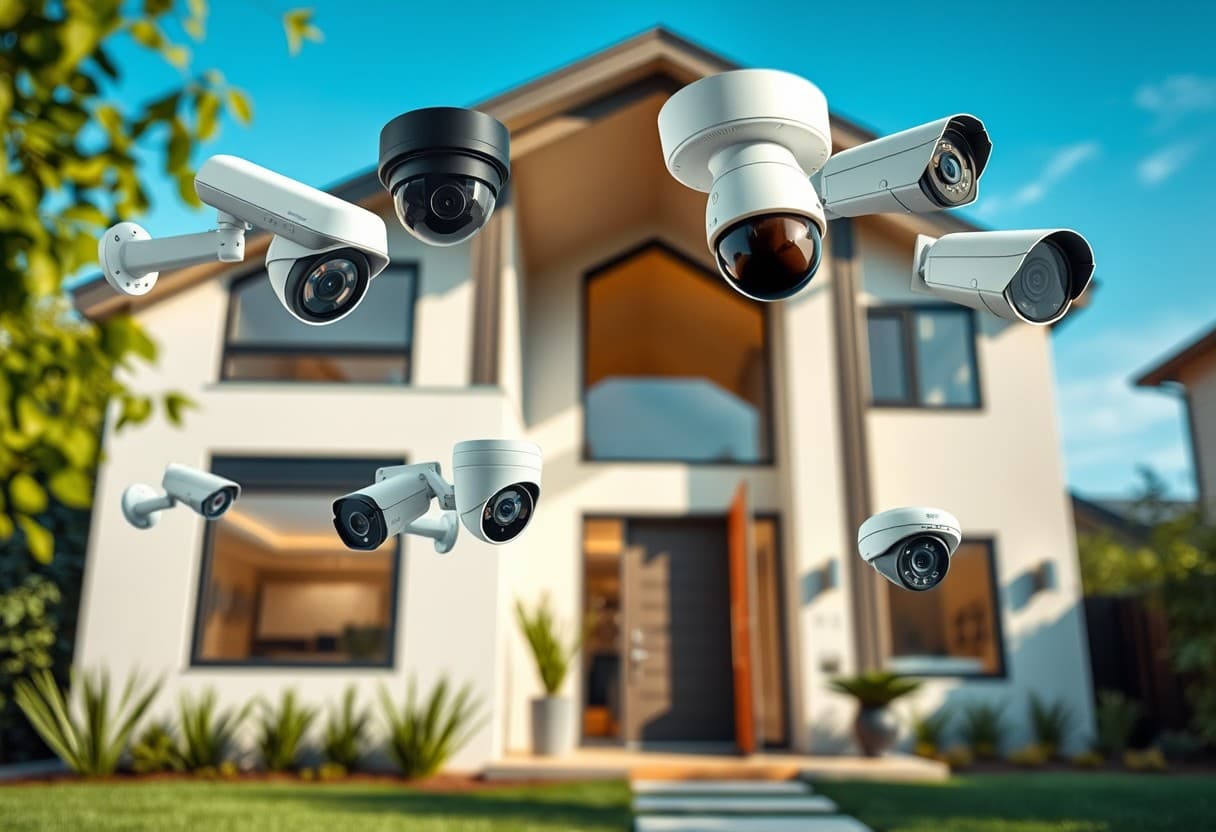
Shopping for a home security camera is harder than it should be. Every product page claims 4K, every box says "AI detection," and the differences that actually matter on the day something happens are rarely the ones being advertised.
Rather than rank brands that change model numbers every year, here is how to sort cameras into tiers by what they can genuinely do — and how to work out which tier your home needs.
Tier one: a doorbell and one clear view
Most homes should start here. A video doorbell covers the single most common point of contact — packages, visitors, and the approach to your front door — and one well-placed camera covers whichever side of the house has the least visibility from the street.
What matters at this tier is not resolution. It is where the camera points and how fast you find out. A 2K camera aimed at the right approach beats a 4K camera aimed at a fence.
Tier two: full perimeter coverage
Once the front is covered, the goal is no blind approach. That usually means three to six cameras: front, back, each side yard, driveway, and any gate or side entry that is out of sight from the road.
At this tier the details that earn their money are:
- True night performance. Colour night vision needs ambient light to work. Infrared works in genuine darkness but reads flat. Homes with dark side yards usually want a camera with its own spotlight.
- Field of view versus detail. A very wide lens sees more and identifies less. Wide lenses suit driveways; narrower lenses suit a gate or a door.
- Weather rating. Anything mounted outside should be rated for sustained outdoor exposure, not merely "water resistant."
Tier three: cameras that are part of the alarm
The step most homeowners skip is integration. A camera that only lives in its own app is a camera you check after something happens. A camera tied into your security system can be triggered by the system itself — a door contact opening can pull up the matching view, and a monitored alarm event can put footage in front of the people responding to it.
That is the difference between a recording and a response.
How to decide
Walk your property at night. Note every route to the house that you cannot see from a window, every door out of sight of the street, and every spot where a delivery is left. Those are your camera positions. Choose equipment to fit those positions — not the other way round.
If you would rather not guess, we will walk the property with you, map the approaches, and put a camera plan together that matches how your home is actually laid out and how your family actually uses it.
Book a free consultation and we will take it from there.
More from the blog
Future-Proof Your Home — 5 Smart Home Trends You Can't Ignore
Five trends shaping how homes will be wired, automated and secured over the next decade — and what homeowners should do today to stay ahead.
Choosing The Right Smart Home Lighting For Safety And Style
Smart lighting does more than set a mood — the right setup can deter intruders, automate safe paths through your home, and tie into your alarm system.
How To Integrate Smart Cameras Into Your Smart Home Setup
Step-by-step guidance on connecting smart cameras to your existing ADT Command panel, automation scenes, and mobile app notifications.
Protect what matters most.
Book a virtual consult and we'll design a system around your home.
Book a Consult